Shopping Cart


- New
in stock

In an Indian home spices are not just seasoning “for taste” – they are part of healing. Grandmothers know: cumin for heaviness after meals, a pinch of black pepper with turmeric, a few saffron threads in milk at night. Ayurveda calls the kitchen the first pharmacy.
Why spices matter in Ayurveda
The key idea in Ayurveda is agni, the digestive fire. When it is strong, the body digests and absorbs food. When it is weak, you get heaviness, bloating, sleepiness after meals and ama, undigested residue. Spices kindle agni: in the Bhavaprakasha almost every spice has “dipana” – kindles the digestive fire – as its first property.
«In Ayurveda the kitchen is the first pharmacy: the right spice in food helps the body digest and absorb it»
Why quality matters
Spices are something you eat every day, even if only a pinch. So read the label. Ready-made blends can contain salt, sugar, flavour enhancers and colourings, and a pack of ground spice does not always tell you what is really inside. We chose Organic India spices: they are organic, with no colourings, flavourings or preservatives, and the ingredient list is one word – the spice itself.
Tip: where you can, buy spices whole – cumin, pepper, fenugreek. A whole spice keeps its aroma longer; grind it right before cooking.
The main secret: warm it in oil
In Indian cooking spices are not sprinkled onto a finished dish. They are first warmed in a spoon of ghee or oil – this is called tadka. 30–60 seconds, until the aroma rises and the seeds start to crackle – and only then are the spices and oil added to dal, vegetables or rice. This way the spice opens up and works better for digestion.
Whole seeds (cumin, fenugreek) go first, into hot oil.
Ground spices (coriander, chilli) – a few seconds later: they burn quickly.
Saffron is never fried – it is soaked in warm milk or water.
Everyday spices
Cumin – almost every Indian dish starts with it; in the Bhavaprakasha it kindles the digestive fire and clears Vata and Kapha. Coriander – mild and cooling, a rare spice that suits Pitta. Fenugreek – slightly bitter and warming, for dal and curry.
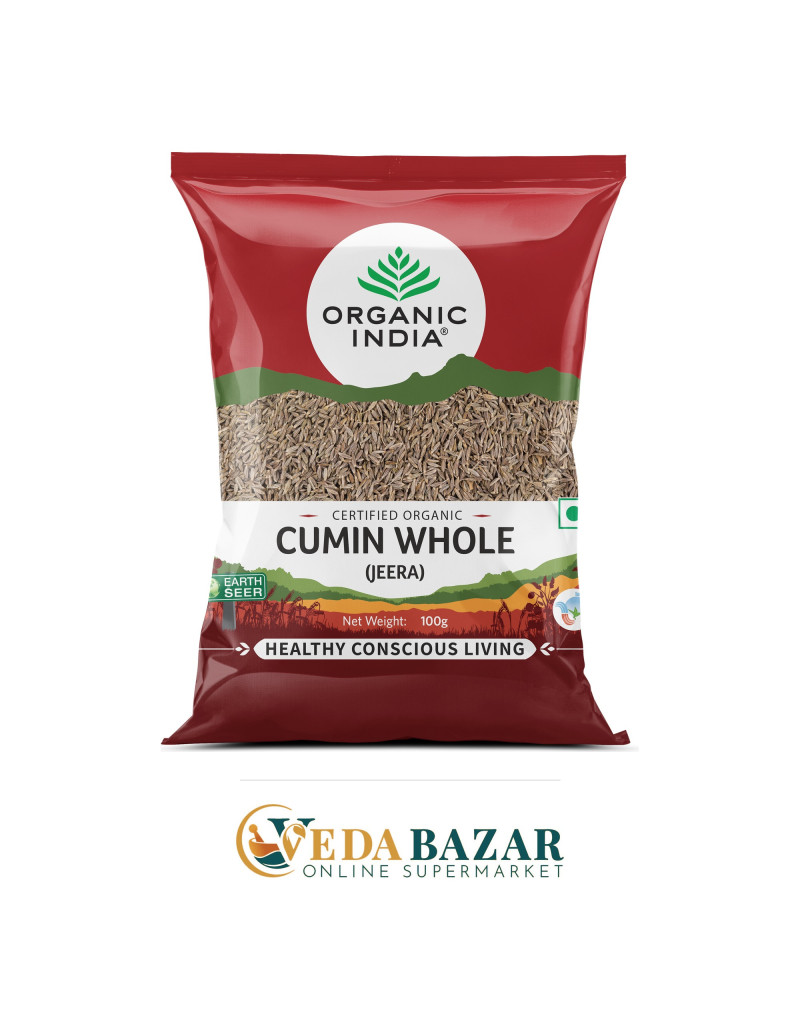
Cumin Whole (Jeera), 100 g 130 ₽ |
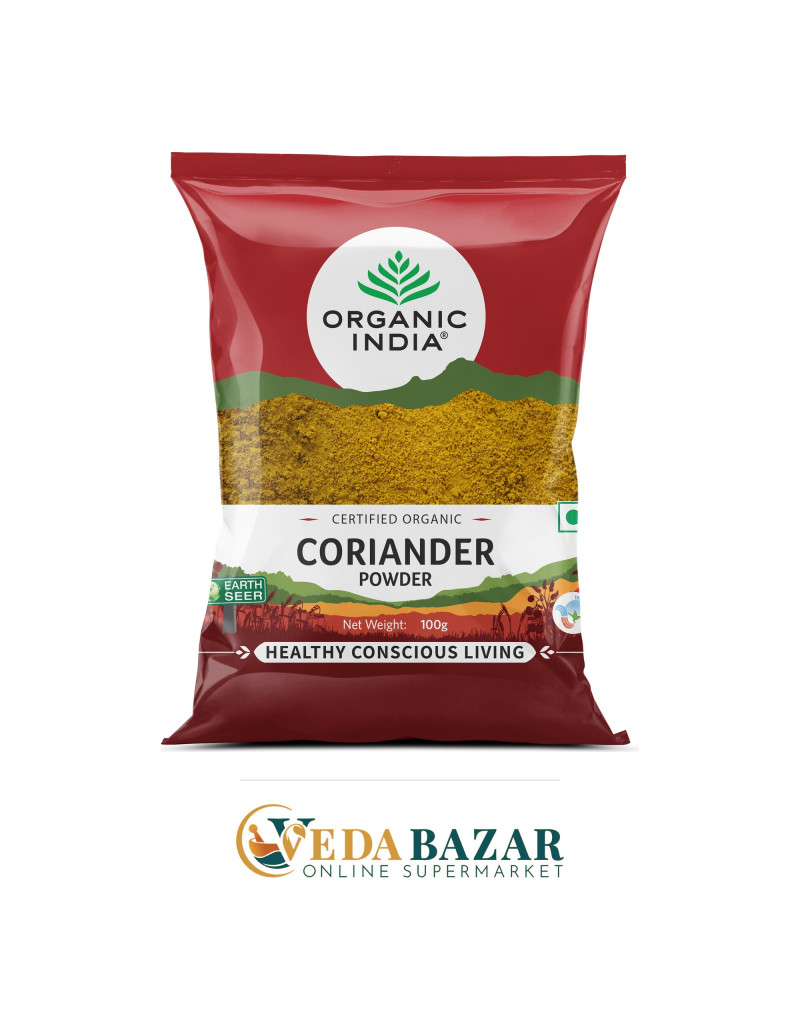
Coriander Powder, 100 g 120 ₽ |
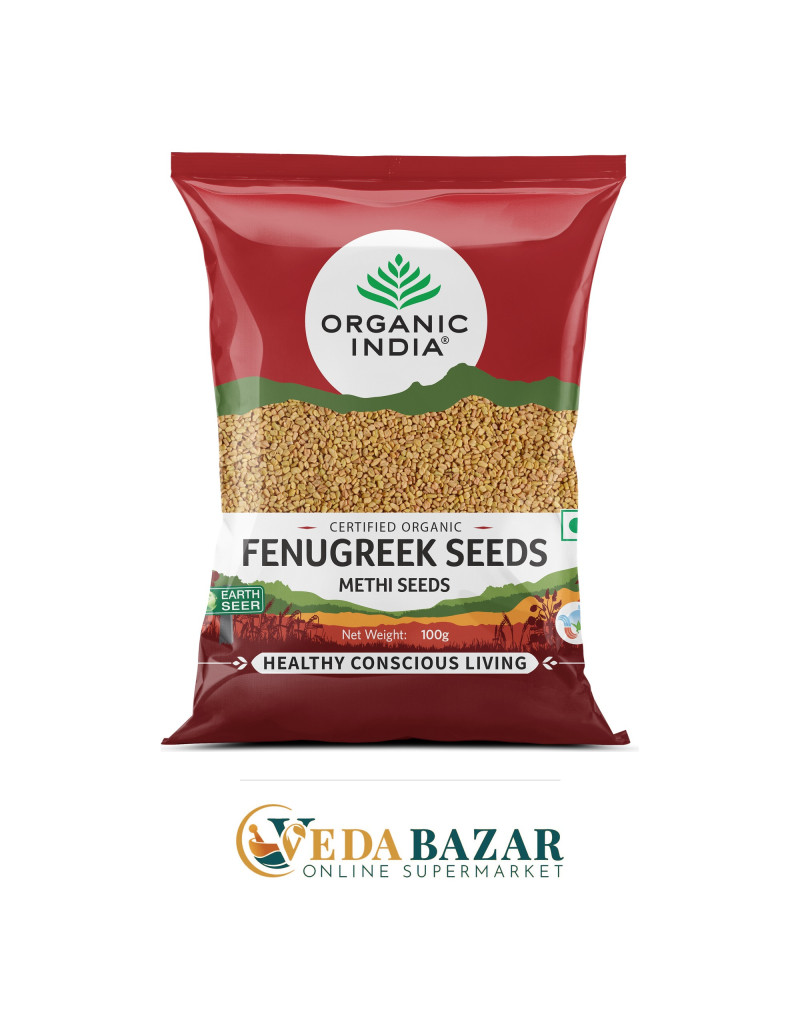
Fenugreek Seeds (Methi), 100 g 50 ₽ |
Hot ones: pepper and chilli
Black pepper comes from India; in the Bhavaprakasha it is hot, kindles agni and clears Kapha, and is part of the classic trikatu blend. A pinch of pepper always goes with turmeric. Red chilli does not appear in the classical texts – the Portuguese brought it to India in the 16th century. It is very hot and raises Pitta, so use it sparingly.
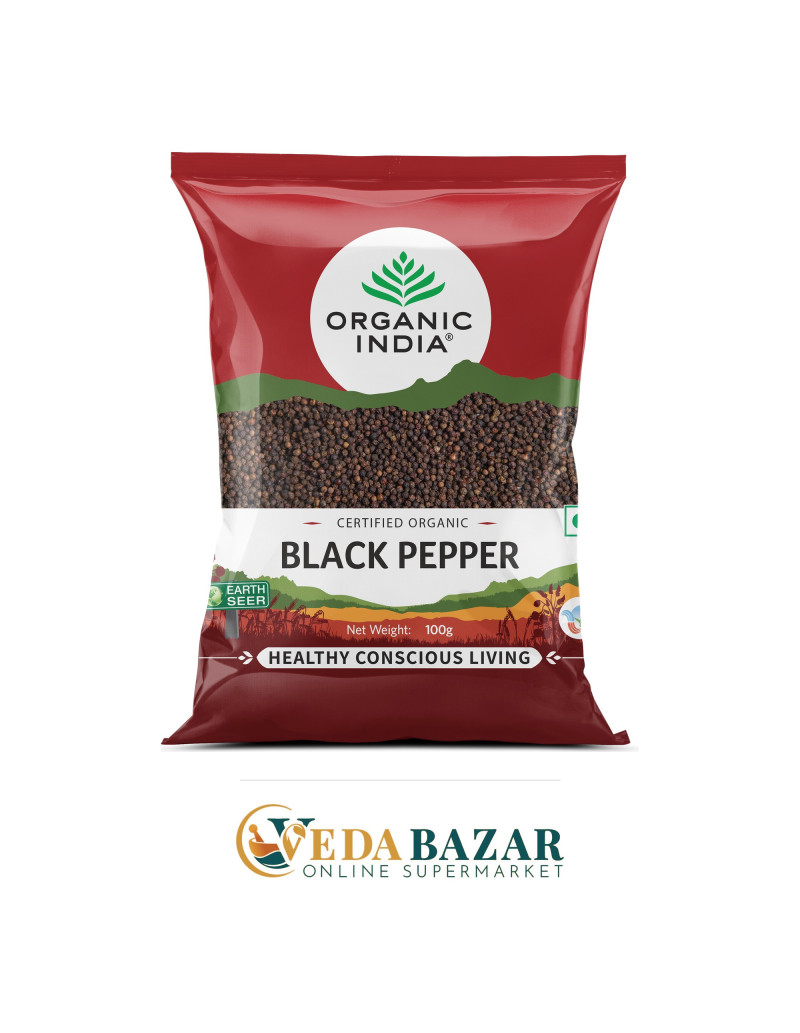
Black Pepper, whole, 100 g 360 ₽ |
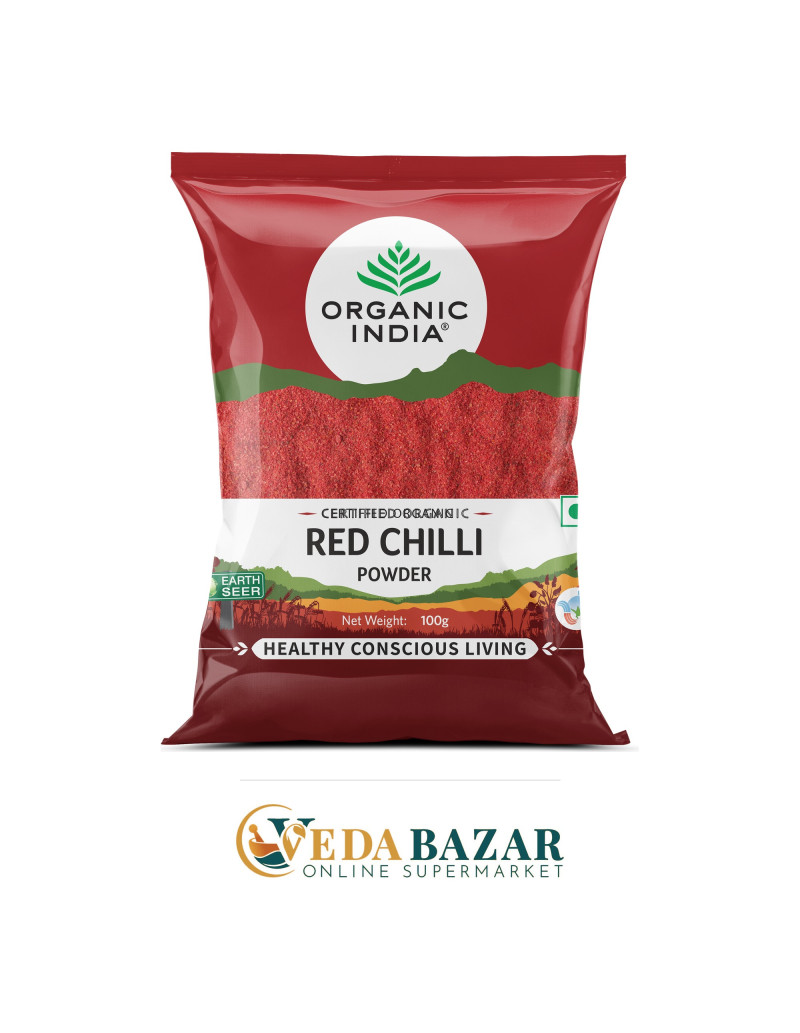
Red Chilli Powder, 100 g 190 ₽ |
Saffron and salt
Saffron – the most precious spice in the world: every flower is picked by hand. In the Bhavaprakasha it is kind to the complexion and balances all three doshas. Himalayan pink salt – a rock salt Ayurveda calls saindhava. The Charaka Samhita names saindhava the best of salts.
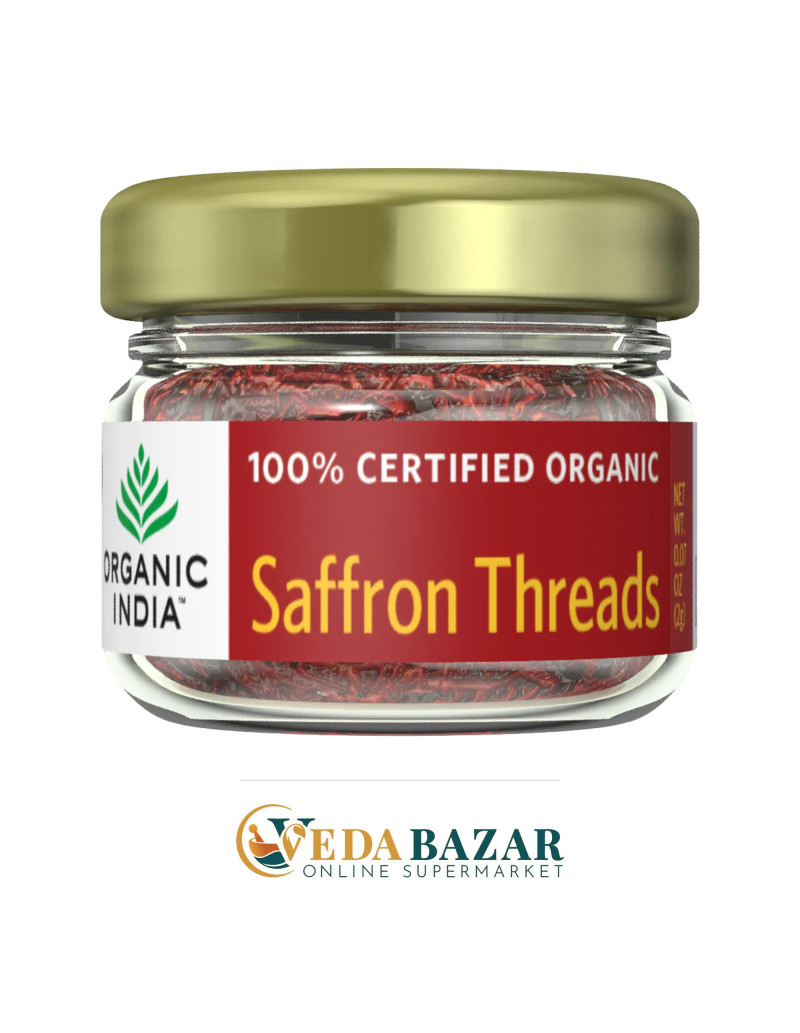
Saffron Threads (Kesar), 2 g 1620 ₽ |
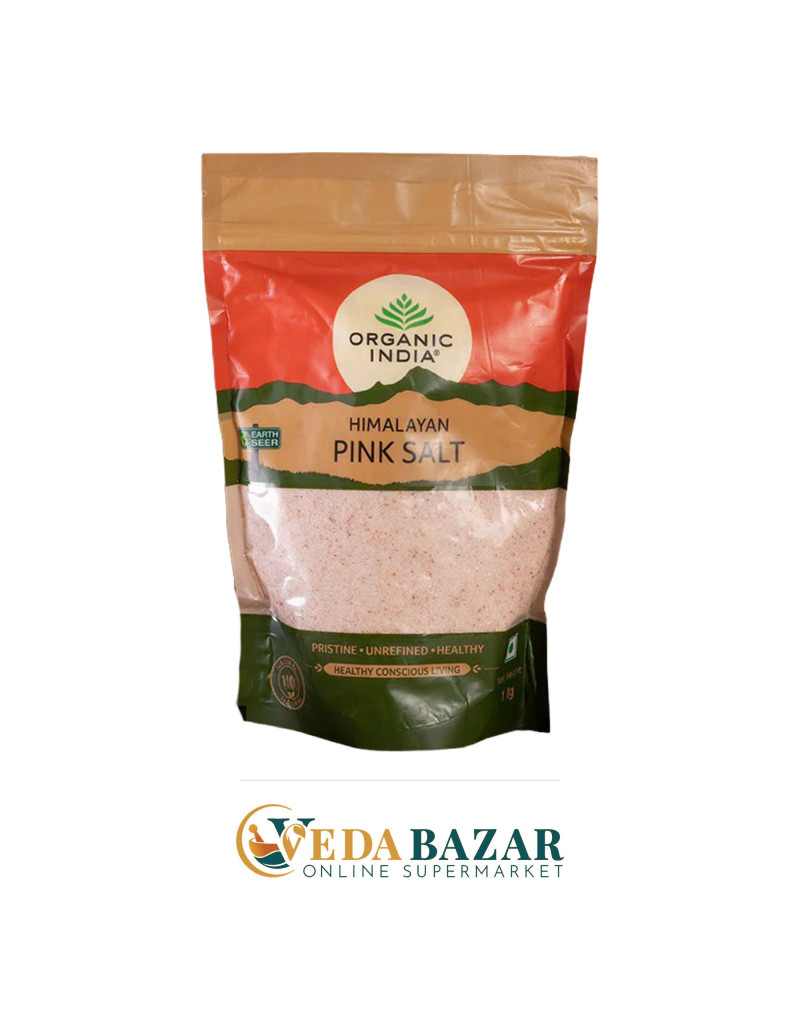
Himalayan Pink Salt, 1 kg 190 ₽ |
Which spices suit your dosha
Vata (cold, dryness, bloating): cumin, fenugreek, a little black pepper – warm spices in ghee.
Pitta (heat, acidity): coriander, saffron; chilli and pepper – only a little.
Kapha (heaviness, sleepiness after meals): black pepper, cumin, a pinch of chilli.
If you have stomach problems, high blood pressure (salt), are pregnant or take medication – ask your doctor how much hot spice and salt is right for you.
What next
Free · 3 minutes
Dosha test
Find out your leading dosha – and you will see which spices are yours. The Telegram bot asks a few questions and sends recommendations.
Ira Niroula, specialist in Ayurveda, prevention and longevity.
Spice properties – Bhavaprakasha; saindhava as the best of salts – Charaka Samhita, Sutrasthana, ch. 25. Ingredients – from Organic India.


Comments (0)