Shopping Cart


in stock

Sound familiar? You had a fairly small lunch, yet an hour later your belly feels like a stone, you want to sleep, and by evening there is heartburn too. In the morning your tongue is coated and you have no appetite at all. Many people think this is just «the stomach they have». Ayurveda sees it differently: your digestive fire is asking for attention.
This fire is called agni. The ancient treatise «Charaka Samhita» – the main classical text of ayurveda – says that strength, health and even lifespan depend on agni. When agni is steady, food turns into strength and a clear head. When it is weak, food is not fully digested and ama builds up – a heavy, sticky residue. This is where bloating, heaviness, a coated tongue and sluggishness come from.
Each dosha has its own way of digesting, and that is not a disease but your nature. Vata is air: appetite comes and goes, there is gas, stools are dry. Pitta is fire: ravenous hunger, and when out of balance, heartburn and burning. Kapha is earth and water: the fire is slow, and after a meal you want to lie down. Problems begin when a dosha goes out of balance.
Dhootapapeshwar is an Indian company from Panvel, working since 1872 (according to the company). It is known for classical rasashastra – the alchemical branch of ayurveda, where herbs are combined with purified minerals. Here are the remedies I would choose for digestion and the liver.
Gentle cleansing: Triphala and Abhayarishta
Triphala Choorna is a powder of three fruits: haritaki, bibhitaki and amalaki. It is perhaps the best-known remedy in ayurveda. It gently cleanses the bowels, supports digestion and balances all three doshas. Swadishta Virechan Choorna is a «tasty laxative»: senna, liquorice, fennel, sugar and purified sulphur. The maker says that thanks to its pleasant taste it is taken by children and elderly people alike. Abhayarishta is a classical fermented tonic based on haritaki, which India calls a «mother» for the way it cares for the body. It is used for constipation, a sluggish bowel and piles.
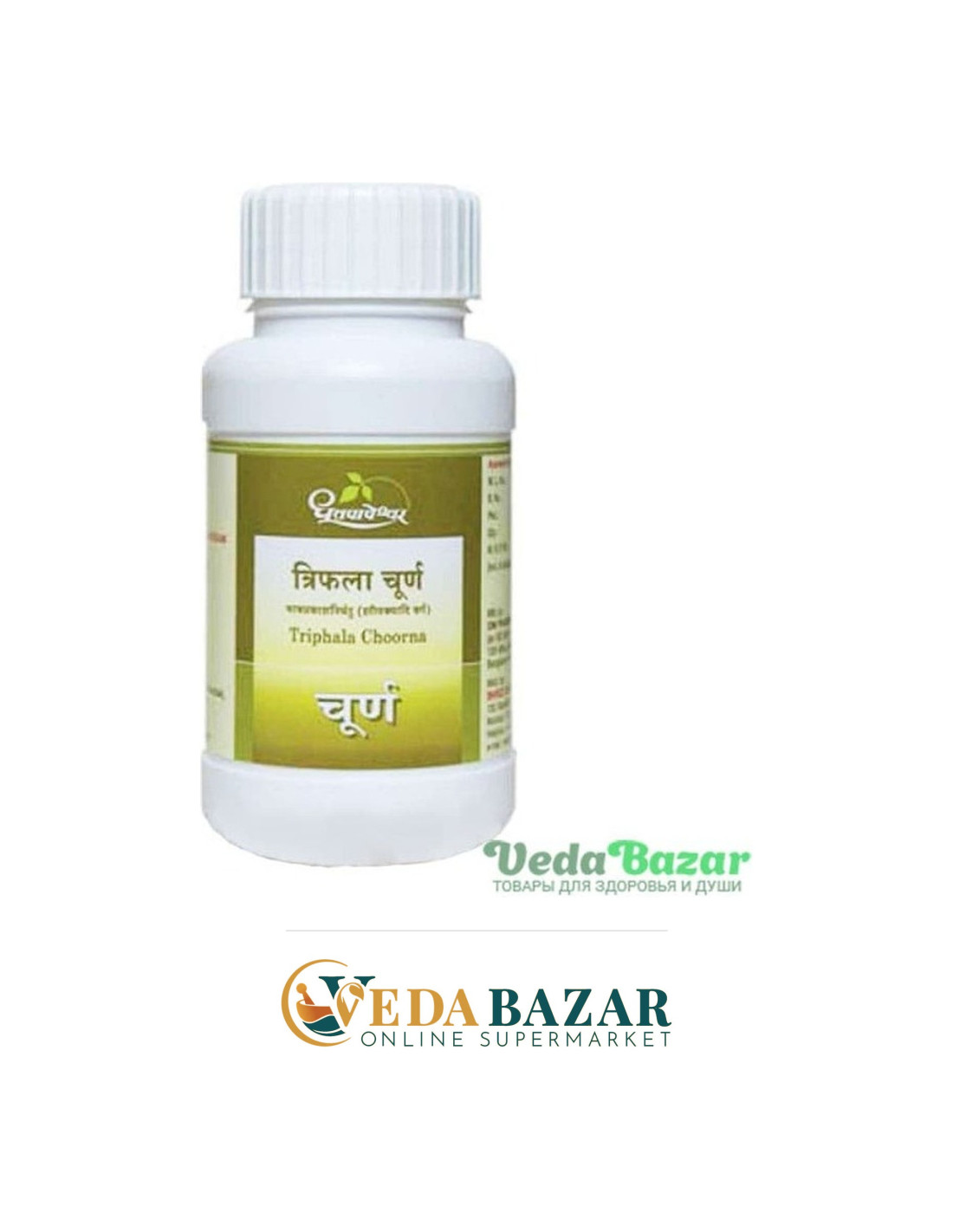 Triphala Churna, powder, 120 g 220 ₽ | 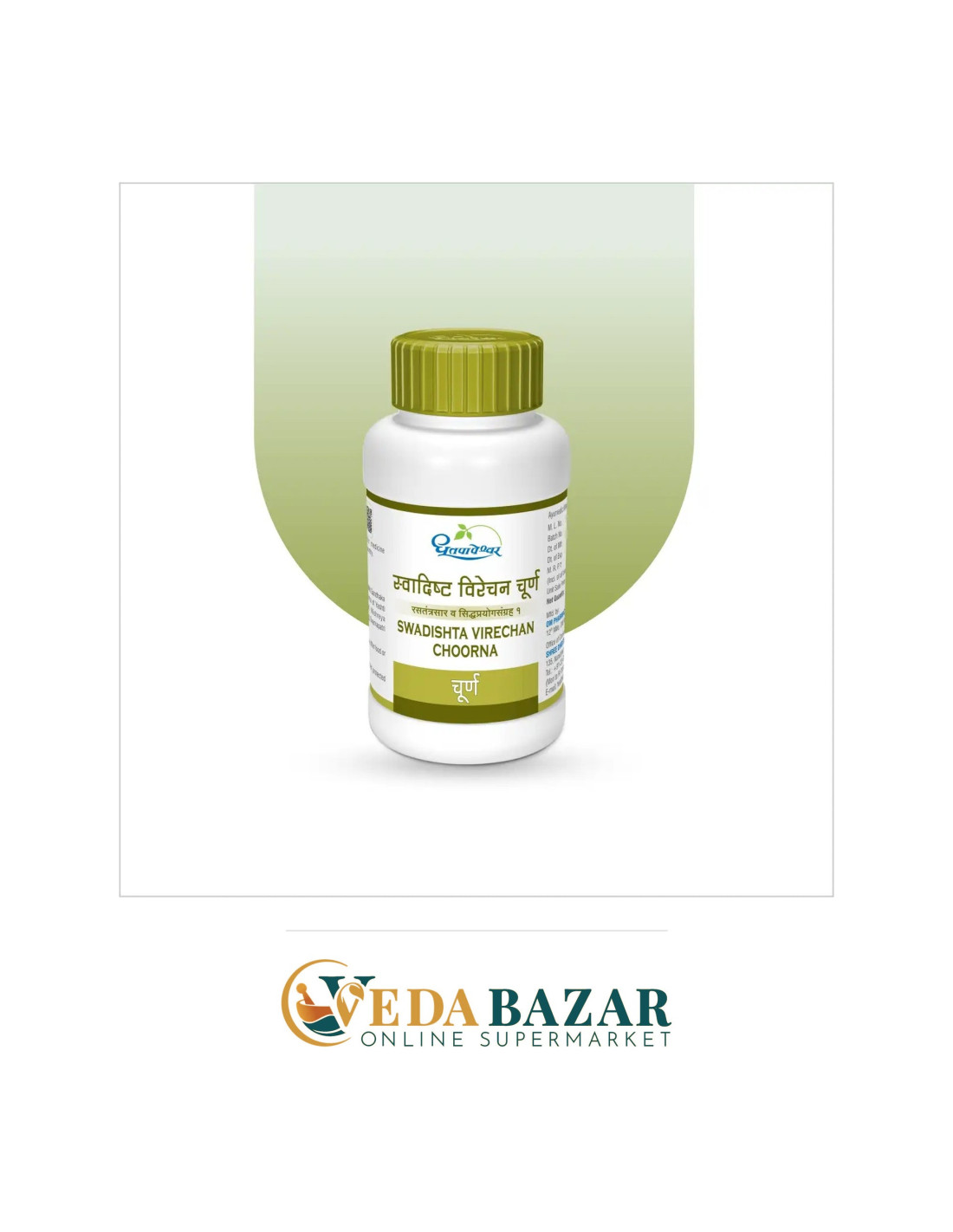 Swadishta Virechan Choorna, 60 g 150 ₽ |
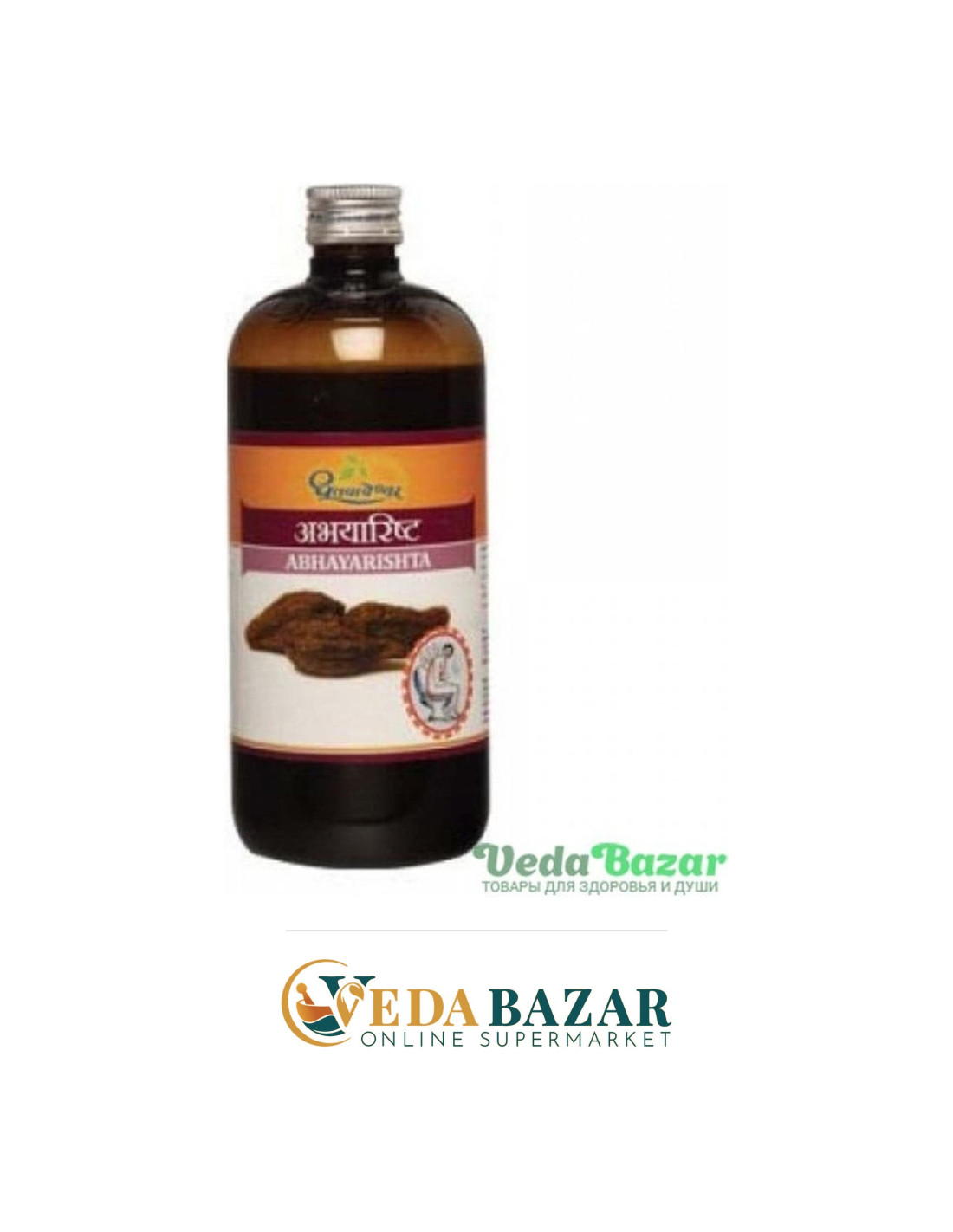 Abhayarishta, 450 ml 690 ₽ |
When it burns: heartburn and excess Pitta
Heartburn, a sour taste, burning in the chest – this is Pitta, a fire that has gone beyond its limits. It is not kindled but cooled. Avipattikar Choorna is a classical Pitta formula: it helps with acidity and gently supports regular stools. Bhoonimbadi Kadha is a decoction of bitter herbs: kiratatikta, neem, guduchi and triphala. In ayurveda the bitter taste is Pitta’s best friend.
Kamadugha is a cooling rasashastra formula: coral pishti, shell bhasmas and guduchi. Its name means «the one that fulfils wishes» – it is valued for gently calming heat. Pittashekhar Rasa is the company’s own formula: Avipattikar, bilva, kalmegh and shell bhasmas. These are serious remedies, so take them as prescribed by an ayurvedic doctor.
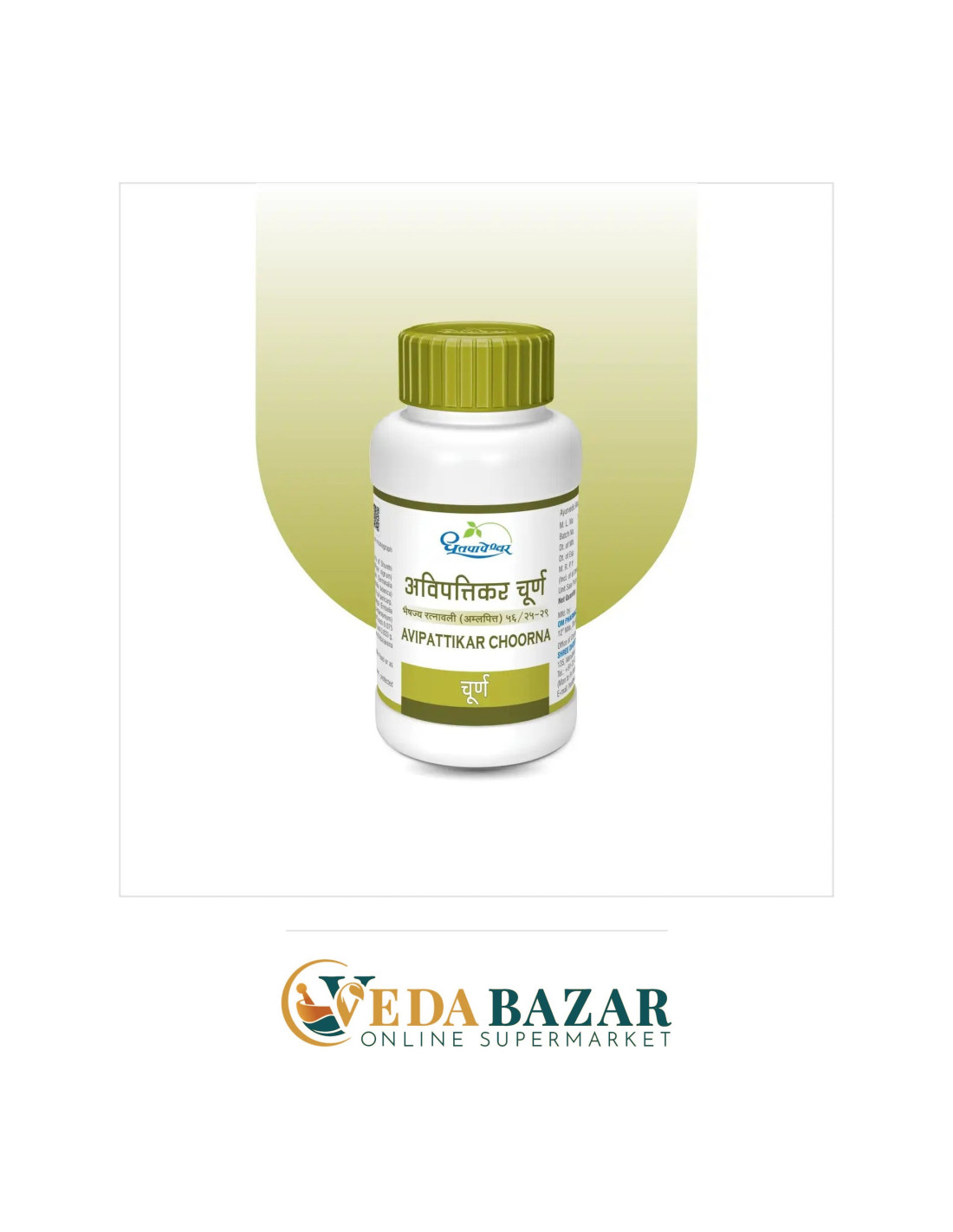 Avipattikar Choorna, 60 tablets 130 ₽ | 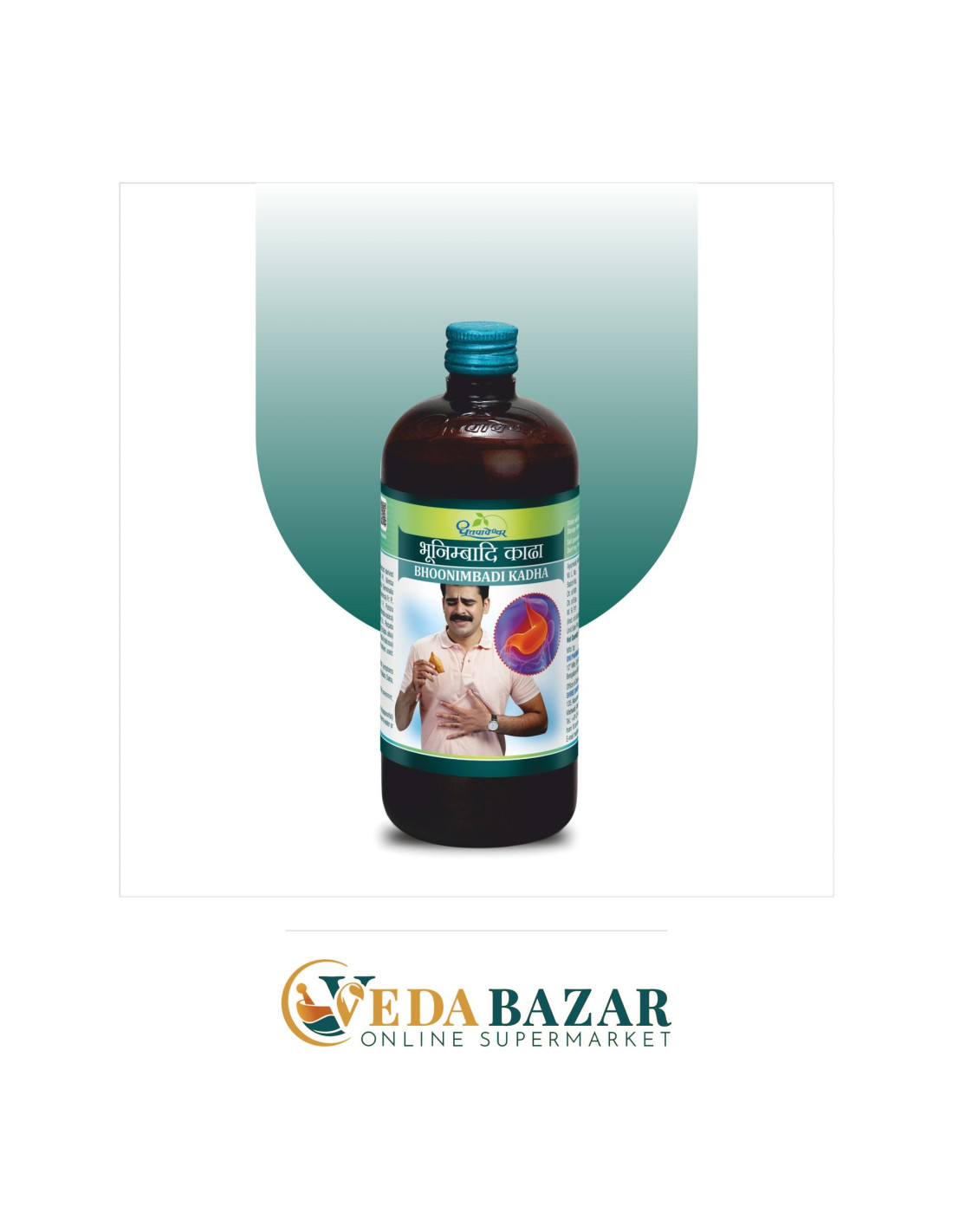 Bhoonimbadi Kadha, 200 ml 180 ₽ |
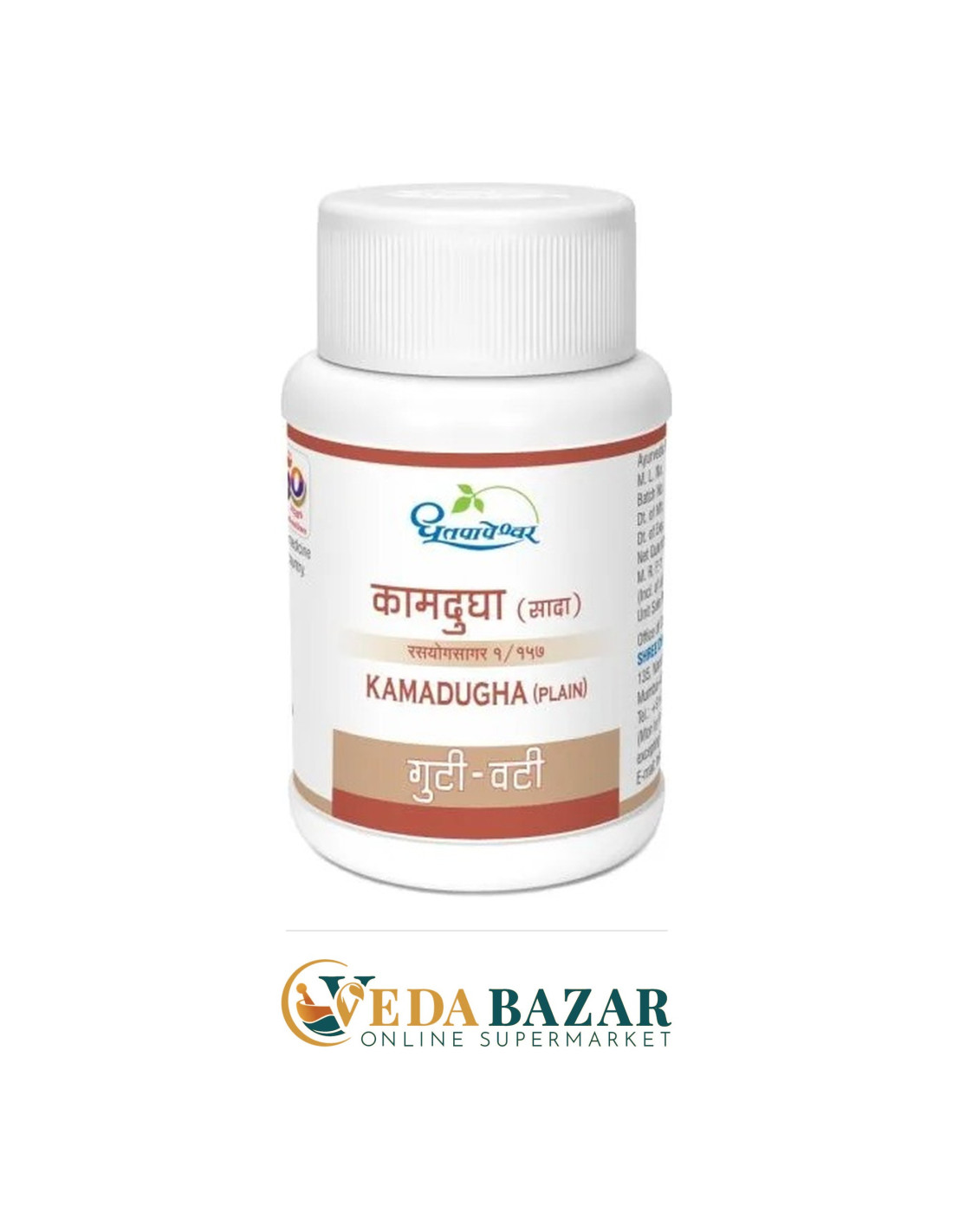 Kamadugha, 25 tablets 210 ₽ | 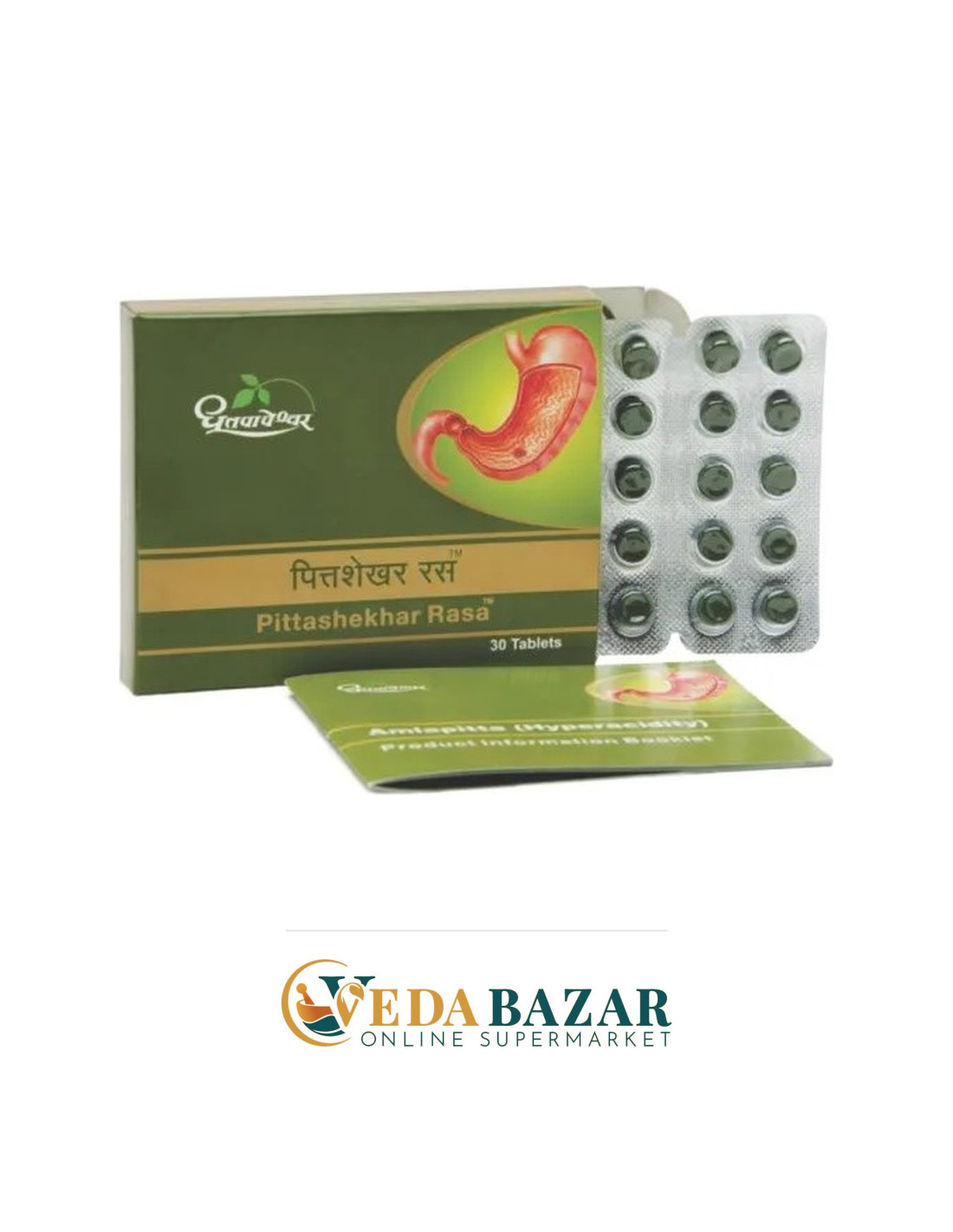 Pittashekhar Rasa, 30 tablets 1790 ₽ |
When it bloats: weak agni and Vata
Bloating, gas, rumbling and heaviness are usually linked to Vata and a weak fire. Hingwashtak Choorna is a classical blend of eight ingredients: asafoetida, ginger, black and long pepper, cumin, ajwain and rock salt. Classically it is taken with the first bite of food and a little ghee – that is how it kindles agni best. Bhaskar Lavana Choorna is a salty formula with spices that digests ama and brings back appetite; traditionally it is taken with buttermilk.
Pachojjay is a liquid formula based on grapes with trikatu and spices: appetite, gas, bloating, heaviness and stools. Jeerakadyarishta is a fermented tonic with cumin as its main ingredient. It kindles agni and supports appetite and digestion.
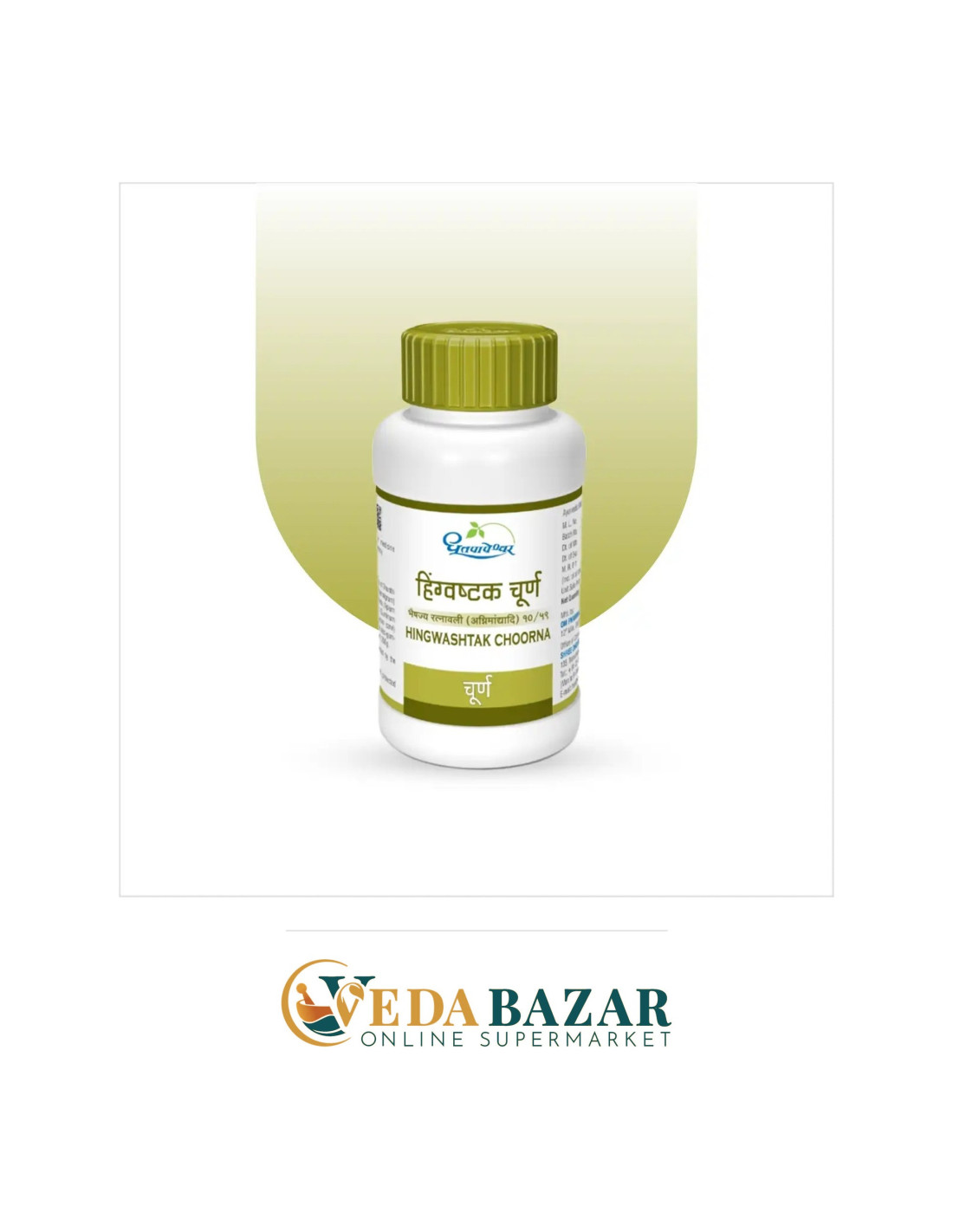 Hingwashtak Choorna, 60 tablets 170 ₽ | 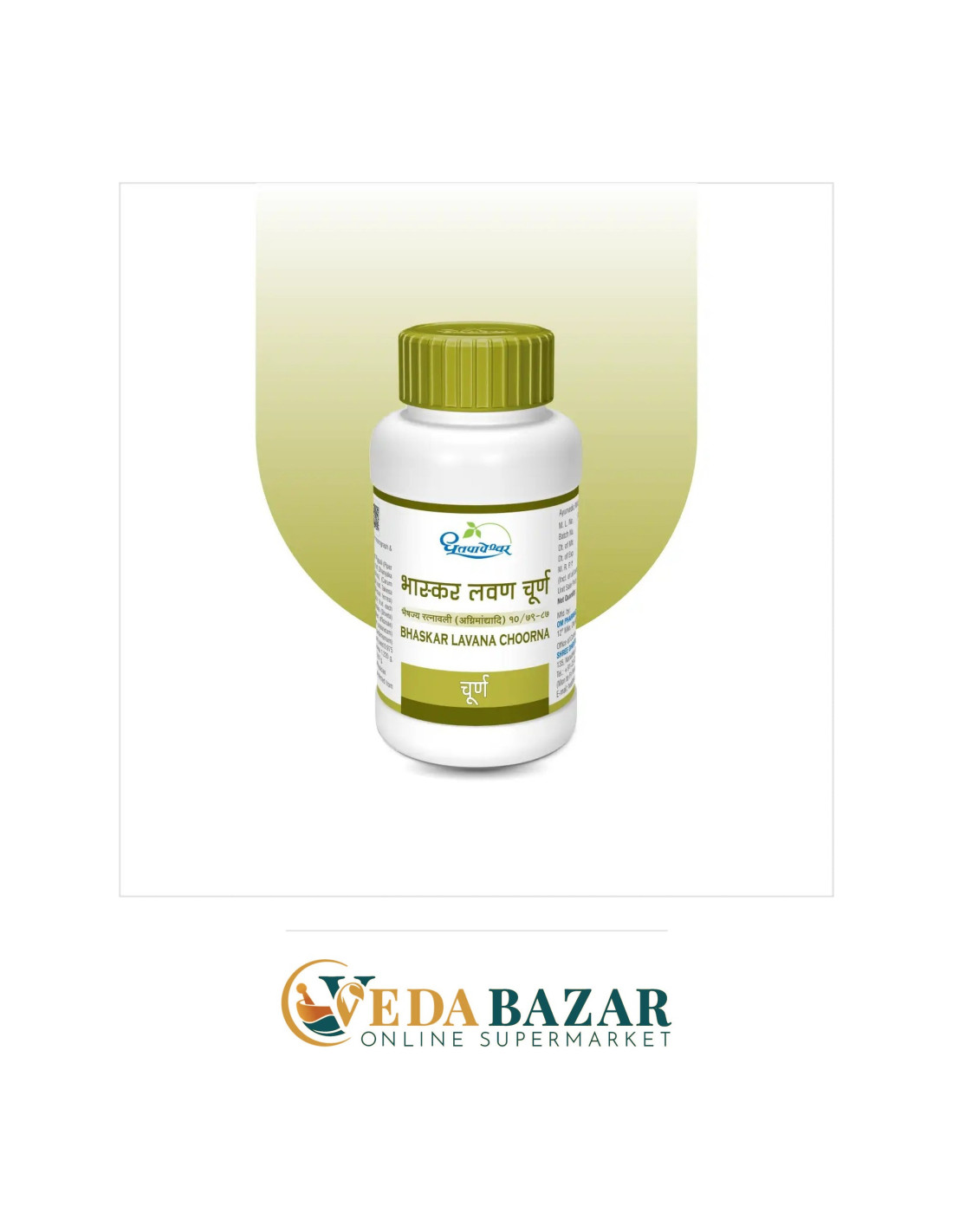 Bhaskar Lavana Choorna, 60 tablets 130 ₽ |
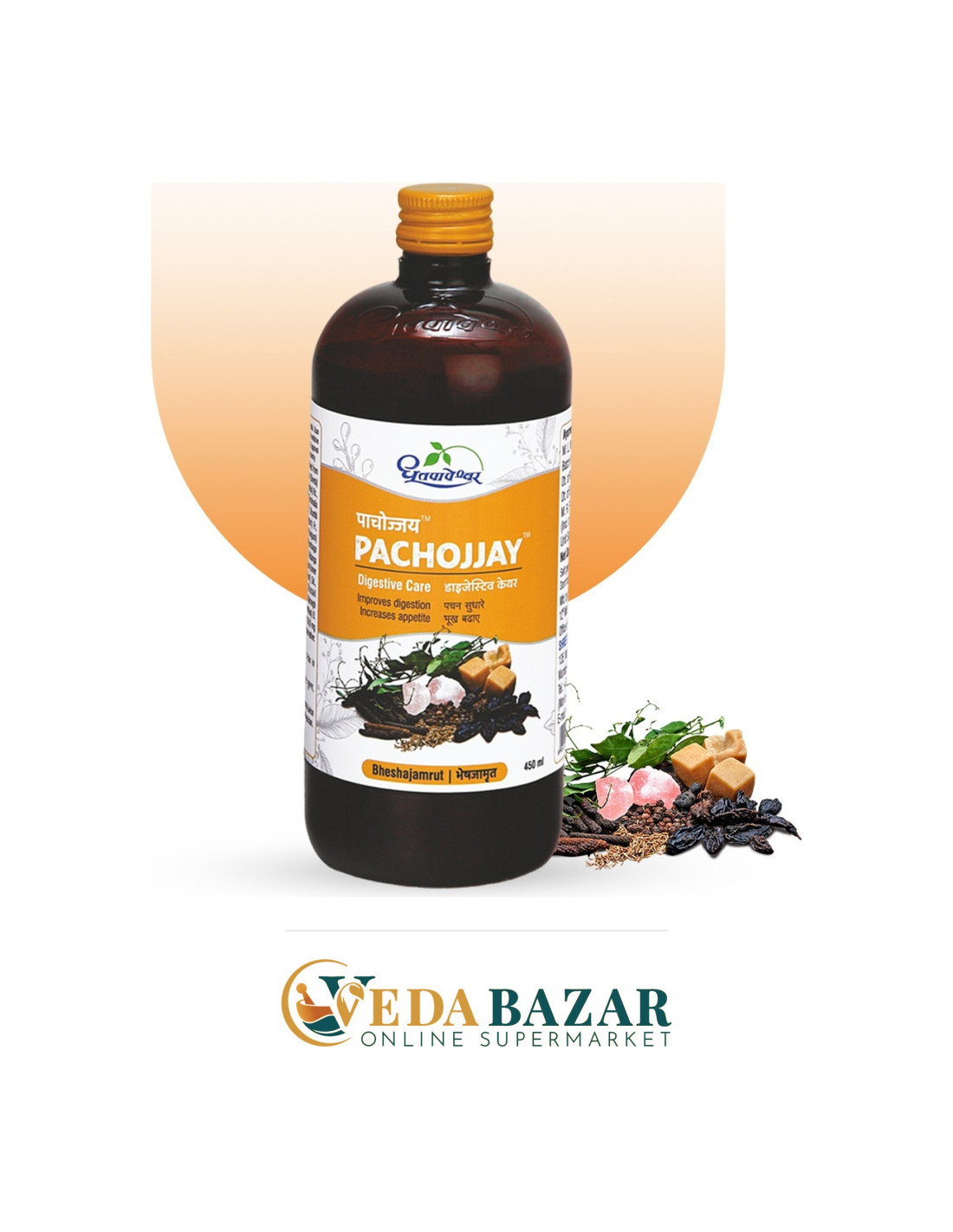 Pachojjay, 450 ml 550 ₽ | 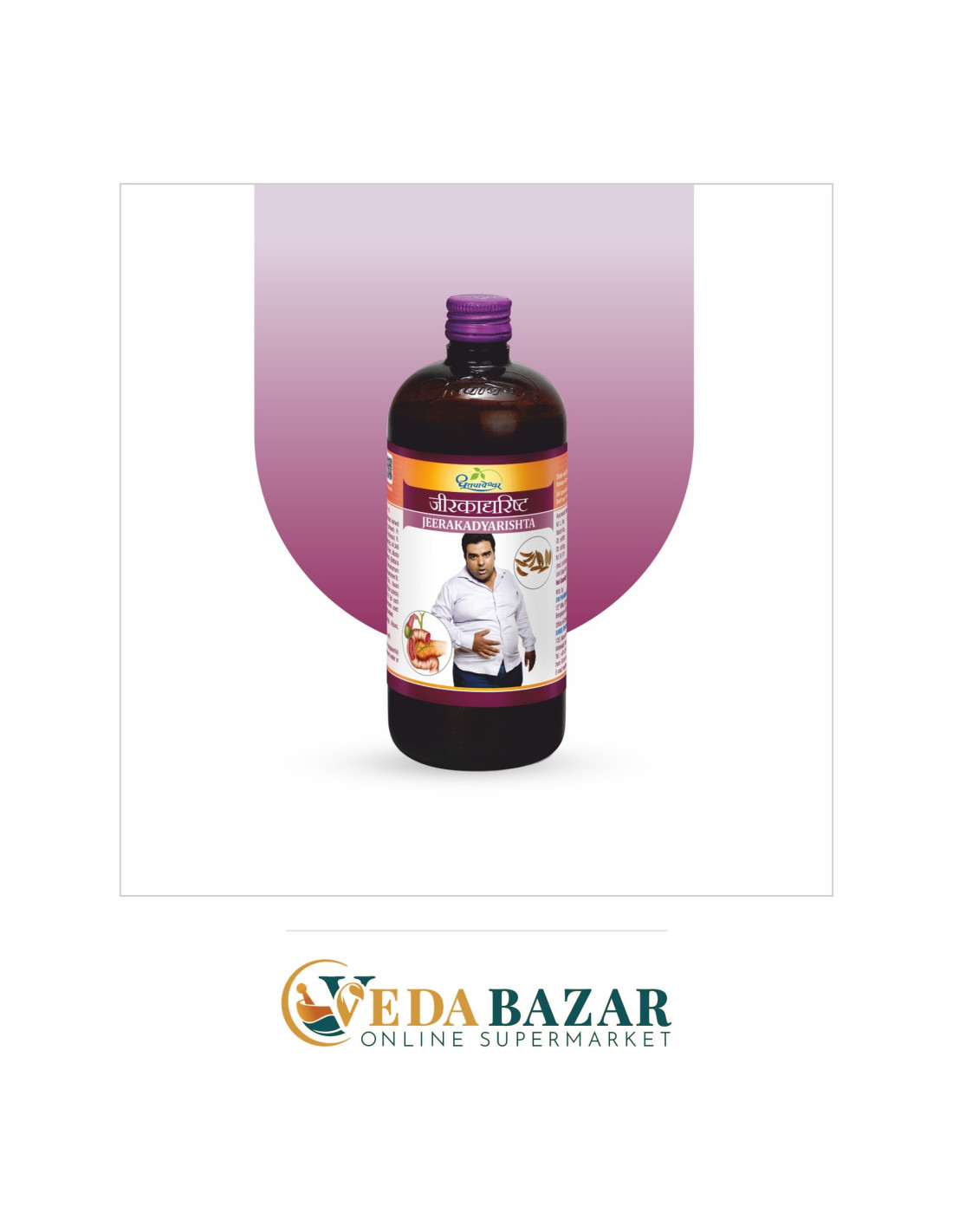 Jeerakadyarishta, 200 ml 250 ₽ |
Free gift
Brochure «Between leaf fall and snow»
Ayurvedic rituals for autumn and winter – morning, day and evening. Press the button and our Telegram bot will send it right away.
The liver: the home of Pitta
In ayurveda the liver is closely linked to Pitta and the digestive fire. Fatty, fried and spicy food is hard on it, and so is eating late at night. Arogyavardhini Vati means «the one that increases health». It is a classical herbo-mineral formula with kutki, triphala, shilajit, guggul and bhasmas. It is traditionally used for the liver, blood cleansing and metabolism – as prescribed by an ayurvedic doctor. Rohitakarishta is a classical arishta with rohitaka bark: it supports the liver and spleen, bile flow, appetite and digestion.
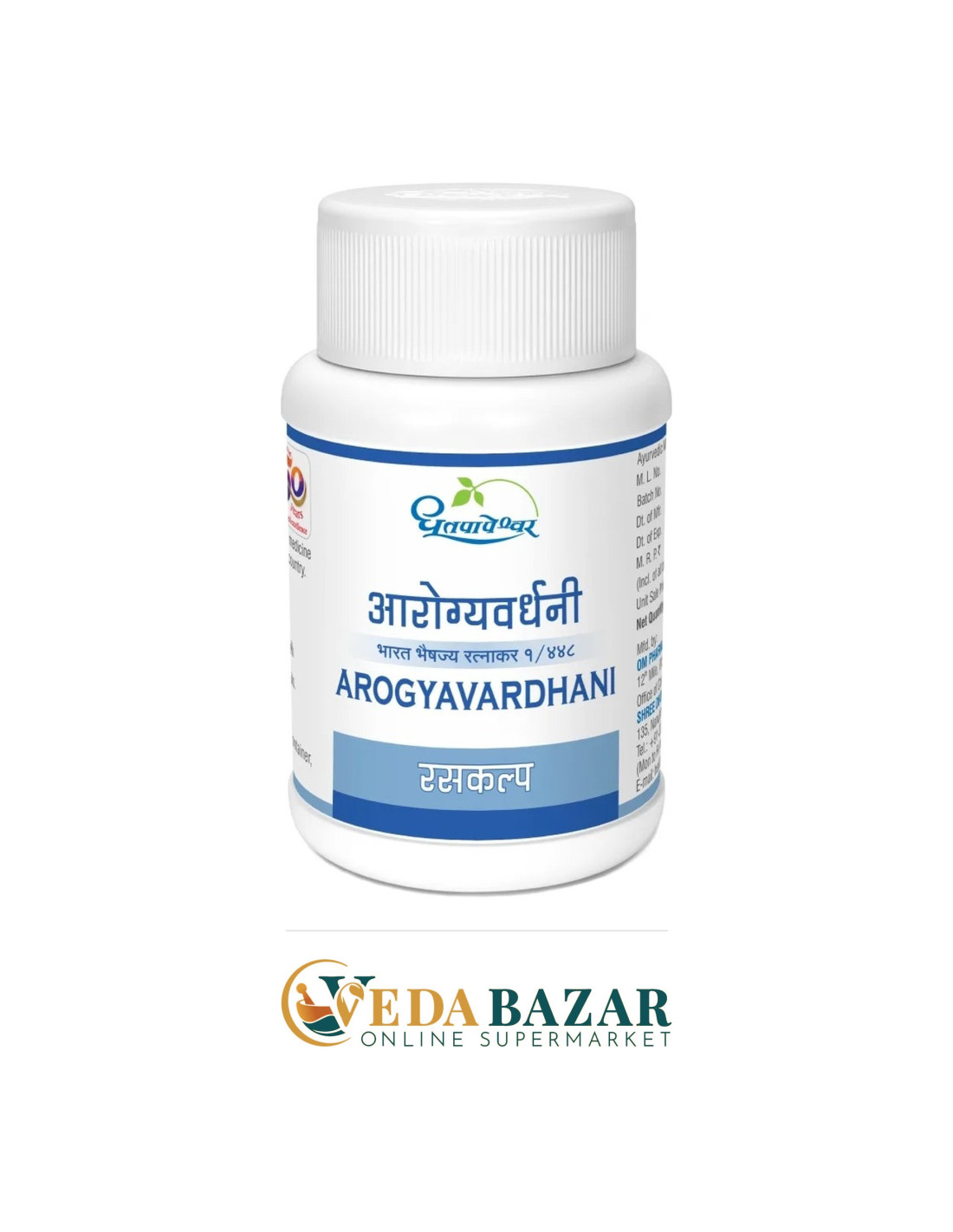 Arogyavardhini Vati, 50 tablets 370 ₽ | 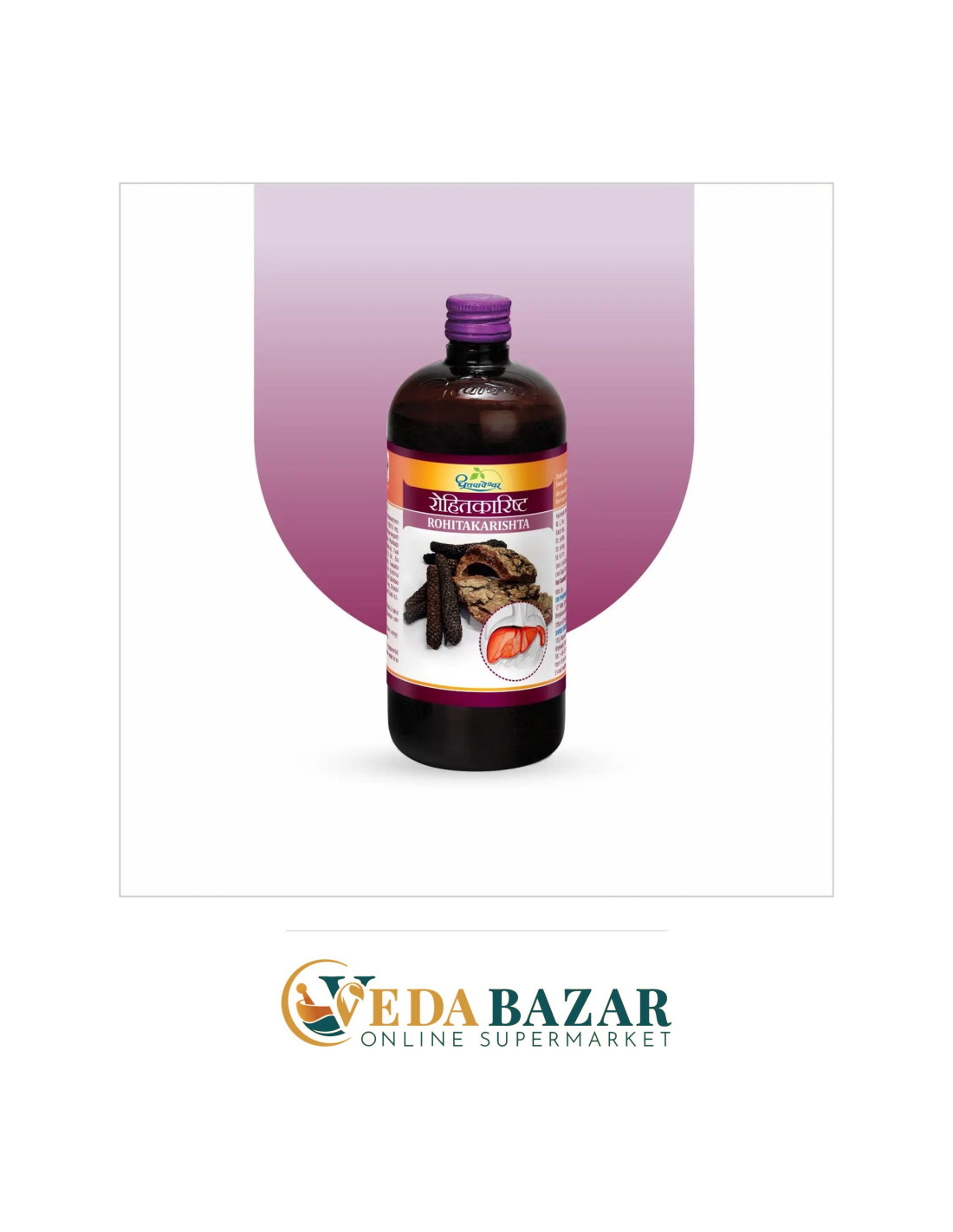 Rohitakarishta, 200 ml 150 ₽ |
How to choose for your dosha
If you are Pitta – heartburn, burning, irritability – choose cooling remedies: Avipattikar, Bhoonimbadi Kadha, Kamadugha. Pungent Hingwashtak and Bhaskar Lavana are not for you right now. If you are Vata – gas, irregular appetite, dry stools – choose warming ones: Hingwashtak, Pachojjay, Triphala. If you are Kapha – a slow fire, heaviness, drowsiness after meals – Bhaskar Lavana and Jeerakadyarishta will suit you.
Simple habits for agni
Eat when you are hungry and do not snack without hunger – the fire will have time to digest the last meal. Drink warm water in the morning – agni will wake up more gently. Eat calmly, without your phone – your body will hear the «enough» signal better. Have an earlier, lighter dinner – there will be no coating on your tongue in the morning. Add ginger, cumin and fennel to your food – they gently support the fire.
This is general information, not treatment. With severe abdominal pain, blood in the stool, pregnancy or chronic illness, see a doctor first. Take classical rasashastra remedies as prescribed by an ayurvedic doctor.
Ira Niroula, Ayurveda, prevention and longevity specialist.
Ingredients and directions – according to Dhootapapeshwar. This article is for information only and does not replace medical advice.


Comments (0)